What is Falconry? An Amazing Definition Beyond the Birds
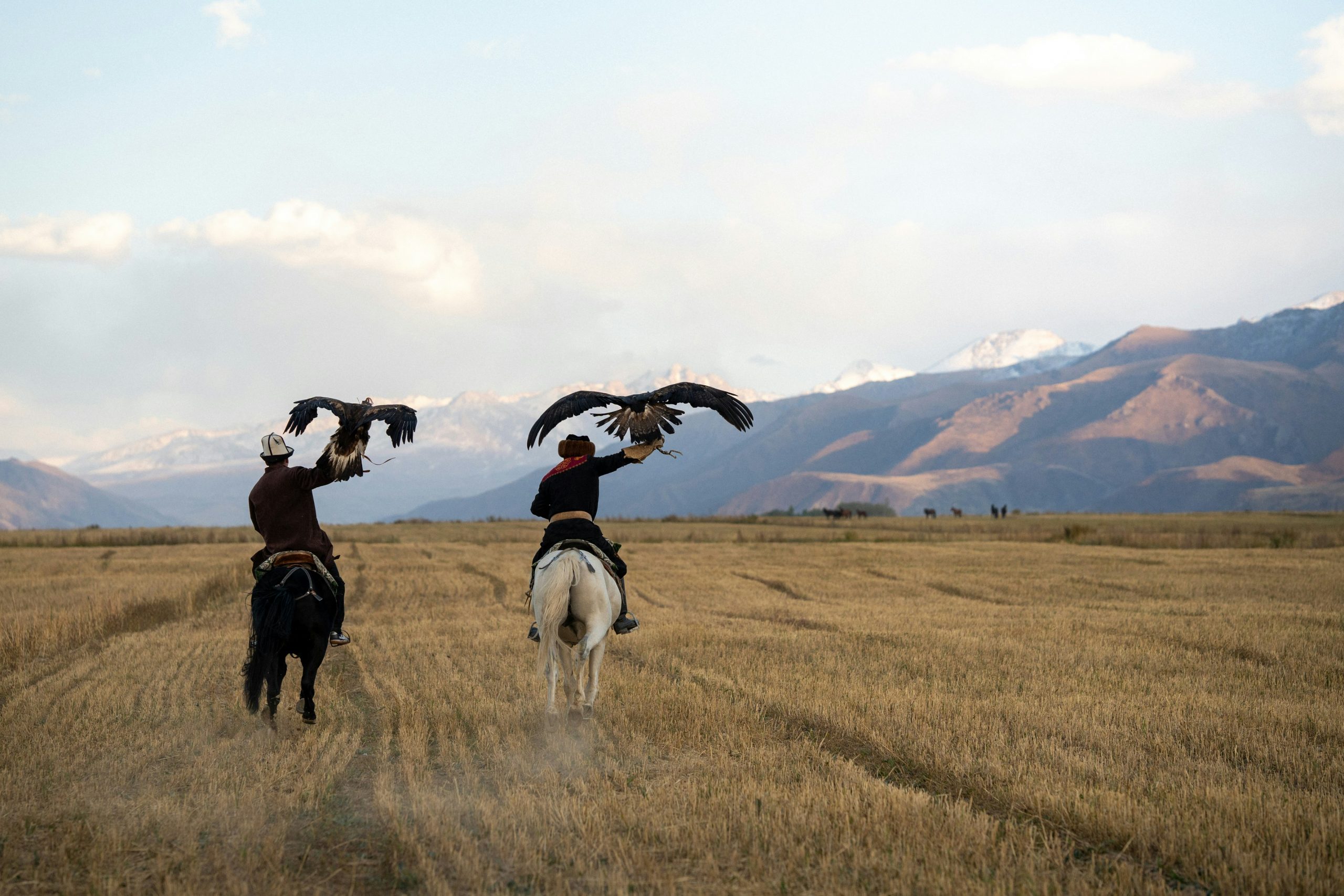
You’re watching Game of Thrones. Or The Last Kingdom. Maybe The Crown or some lavish BBC period drama. There’s a knight on horseback, falcon perched regally on a gloved fist, riding through mist-soaked moorland. Everyone had a falcon back then, right? Just part of life in medieval times, like having a sword or wearing a tunic.
Wrong.
Almost everything most people think they know about what is falconry is built on false assumptions. And those assumptions matter because they obscure something far more interesting than the Hollywood version suggests.
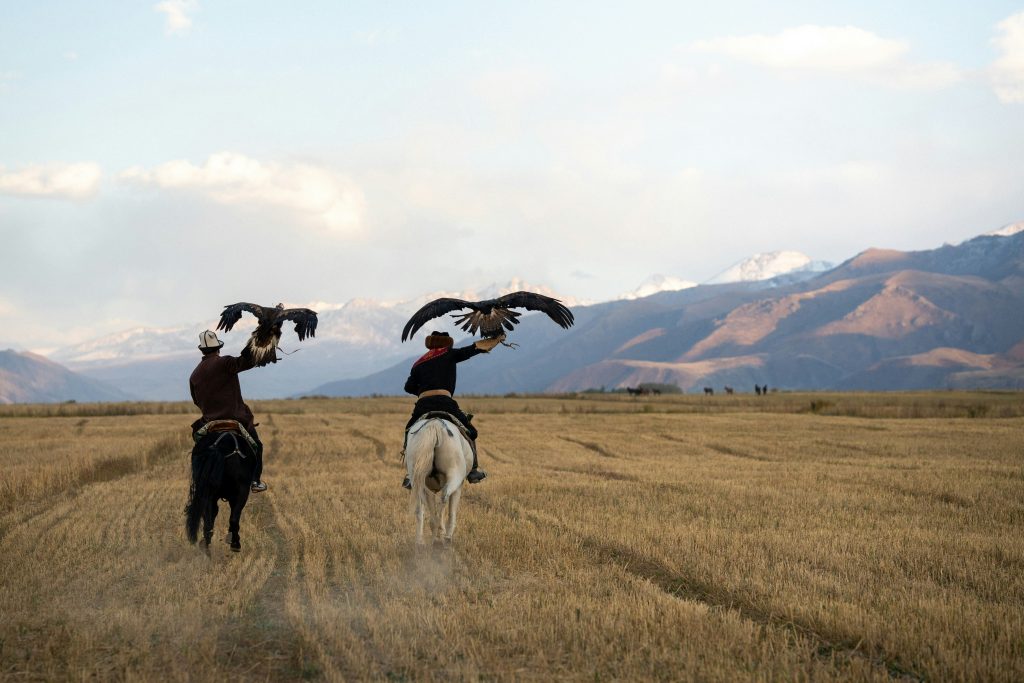
Table of Contents
The Myths We Tell Ourselves About Falconry
Here’s what people get wrong about what is falconry:
The “anyone could do it” myth. In medieval England, you couldn’t just grab a peregrine falcon and start flying it. Class restrictions weren’t suggestions. They were law. Peasants could be hanged for keeping hawks. The type of bird you flew wasn’t a preference. It was a statement of your exact position in the rigid social hierarchy.
The “it was for hunting food” myth. Sure, early falconry involved catching game. But by the medieval period in Britain, falconry had become conspicuous consumption. A status symbol. A way for the elite to demonstrate wealth and power. The sport persisted not because it was practical but because it offered something else entirely.
The “birds were trained pets” myth. Falconry birds aren’t domesticated. They never have been. Domestication requires hundreds of years of selective breeding to fundamentally alter a species’ relationship with humans. What is falconry if not control? It’s partnership with something wild that chooses, moment by moment, to cooperate.
The “it was easy or casual” myth. Medieval treatises on falconry were thick, detailed, obsessive. King Frederick II spent over thirty years writing his comprehensive book on the subject. Falconry demanded time, money, space, knowledge, and patience that most people simply didn’t have.
These misconceptions matter because they flatten what is falconry into costume drama aesthetic when the reality is far stranger and more compelling.
What Is Falconry, Actually?
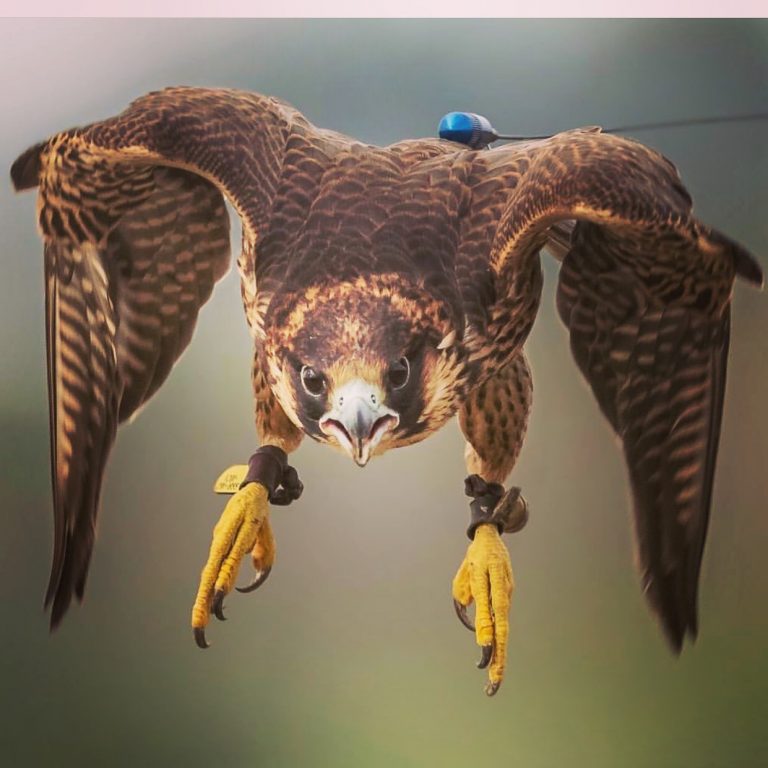
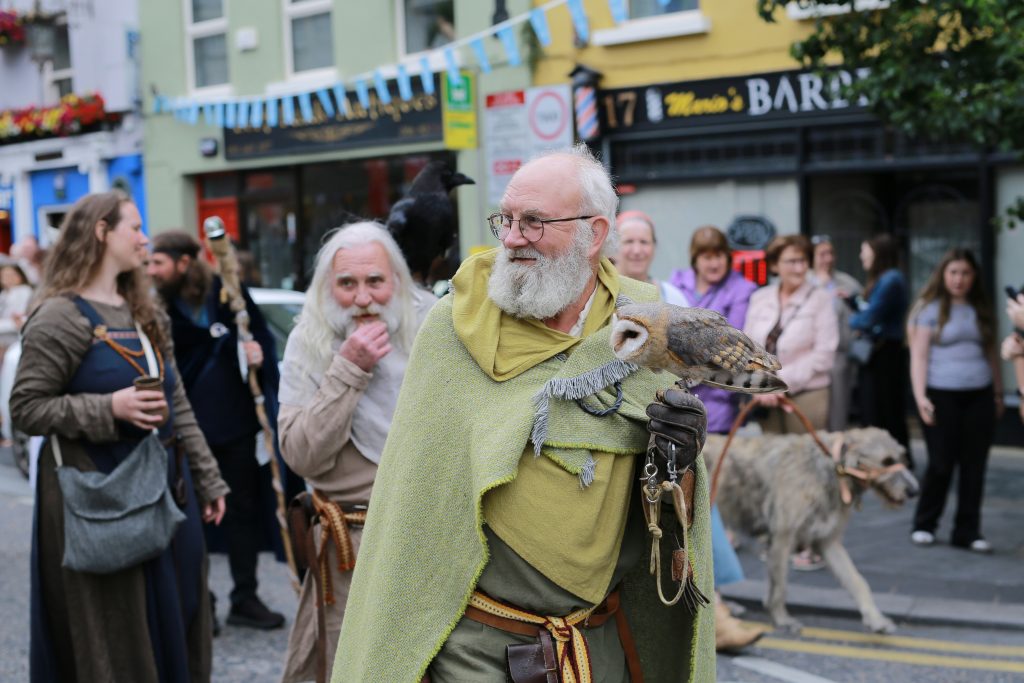
UNESCO defines falconry as “the traditional art and practice of training and flying falcons (and sometimes eagles, hawks, buzzards and other birds of prey).”
But let’s translate that into something real.
So what is falconry in real terms?
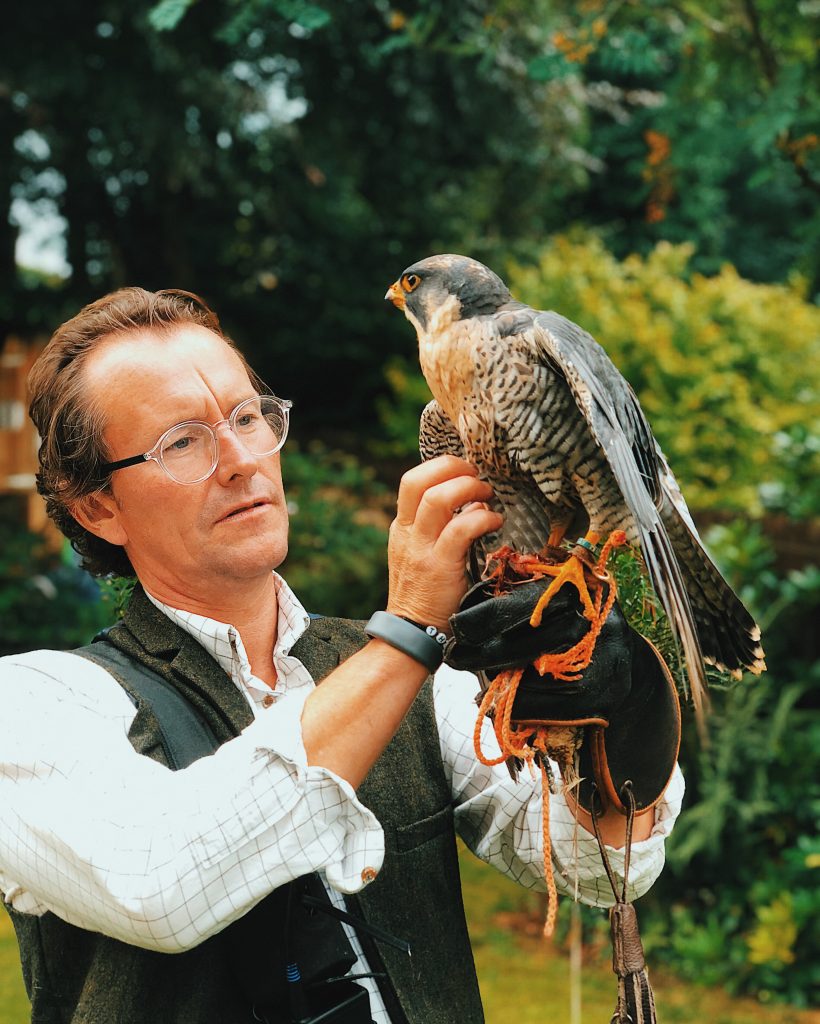
It’s the practice of forming a functional partnership with a wild predator. Not a pet. Not a servant. A wild creature that maintains its autonomy, its instinct, its capacity to leave at any moment. The bird gets food, shelter, protection, and the opportunity to do what it evolved to do. The human gets to participate in something ancient, to witness intelligence that operates without ego, to experience genuine exchange with another species.
The arrangement works only if both parties benefit. The bird isn’t broken or tamed into compliance. It’s choosing to return because the partnership serves its interests. That choice, that voluntary cooperation from something fundamentally wild, is what makes what is falconry distinct from training a dog or riding a horse.
What Is Falconry? The Philosophy
There’s a reason falconry has persisted for over 4,000 years across cultures that had no contact with each other. It offers something humans consistently need.
The practice of what is falconry shares philosophical ground with disciplines like Zen Buddhism and Stoic mindfulness. Zen philosophy emphasizes presence, direct experience, and the concept of “beginner’s mind” (approaching life with openness and lack of preconceptions).
Falconry demands exactly this. You can’t be distracted or half-present. The bird reads your body language, your energy, your attention. If you’re not fully there, the relationship doesn’t work.
Mindfulness practices focus on moment-to-moment awareness, on letting go of past and future to inhabit the present fully. What is falconry if not the practice of this? When the bird is in flight, nothing else exists. Your worries don’t matter. Your phone doesn’t matter. There’s only the bird, the landscape, the relationship unfolding in real time.
The philosopher Marcus Aurelius wrote that we should “focus your mind attentively on the performance of the task in hand, with dignity, human sympathy, benevolence and freedom, and leave aside all other thoughts.” This could be a description of working with a raptor.
Research on falconry as therapy found that practitioners experience “increased levels of confidence, mindfulness, and self-awareness” along with “a sense of connectedness, meaning, joy, and hope.”
One falconer described it as an experience that “frees me from a world that makes me uncomfortable… When I [am in the field] nothing exists except the hawk, the land and the chase. I practice mindfulness and immerse myself in the experience.”
What is falconry offering? A return to presence. A relationship that can’t function on autopilot. Connection with wildness that hasn’t been sanitized or controlled.
Stephen Lea, owner and founder of Lake District Falconry, is currently writing a book exploring exactly this subject. Sign up for the newsletter to be notified when the book is available.
The Medieval Reality: What Is Falconry’s Social History?
Understanding what is falconry historically means understanding who was allowed to participate and why those restrictions mattered.
In medieval England, different birds were reserved for different social ranks. According to the Book of Saint Albans (1486), the hierarchy was strict:
- Emperor: Eagle
- King: Gyrfalcon
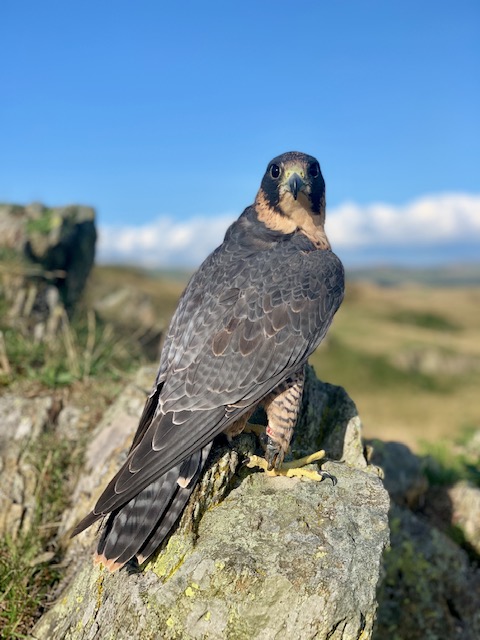
- Prince: Peregrine falcon
- Knight: Saker falcon
- Yeoman: Goshawk
- Priest: Sparrowhawk
- Knave/servant: Kestrel
This wasn’t just tradition. It was enforced. The Normans, after conquering England in 1066, restricted falconry rights to the upper classes and outlawed commoners from hunting particular lands. The size and power of your bird directly correlated to your social standing because larger birds required more resources to maintain, meaning more food, more space, more skilled handlers.
Gender played a role too. Only female raptors (larger and more aggressive than males) were properly called “falcons.” Males were “tiercels” (peregrine) and considered inferior. Short-winged hawks like goshawks were deemed lesser birds appropriate only for lower-ranked nobles forbidden from owning true falcons.
What is falconry’s progression from medieval restriction to modern accessibility? Today in the UK, anyone can practice falconry. No license is required, though only captive-bred birds can be used and all birds must be government registered and DNA tested. The class barriers have dissolved completely.
But here’s what hasn’t changed: the fundamental practice. A falconer working with birds today uses methods developed centuries ago. The relationship between human and raptor remains the same. As UNESCO recognized when designating falconry as intangible cultural heritage, the craft involves “intergenerational learning” and knowledge passed down through communities over millennia.
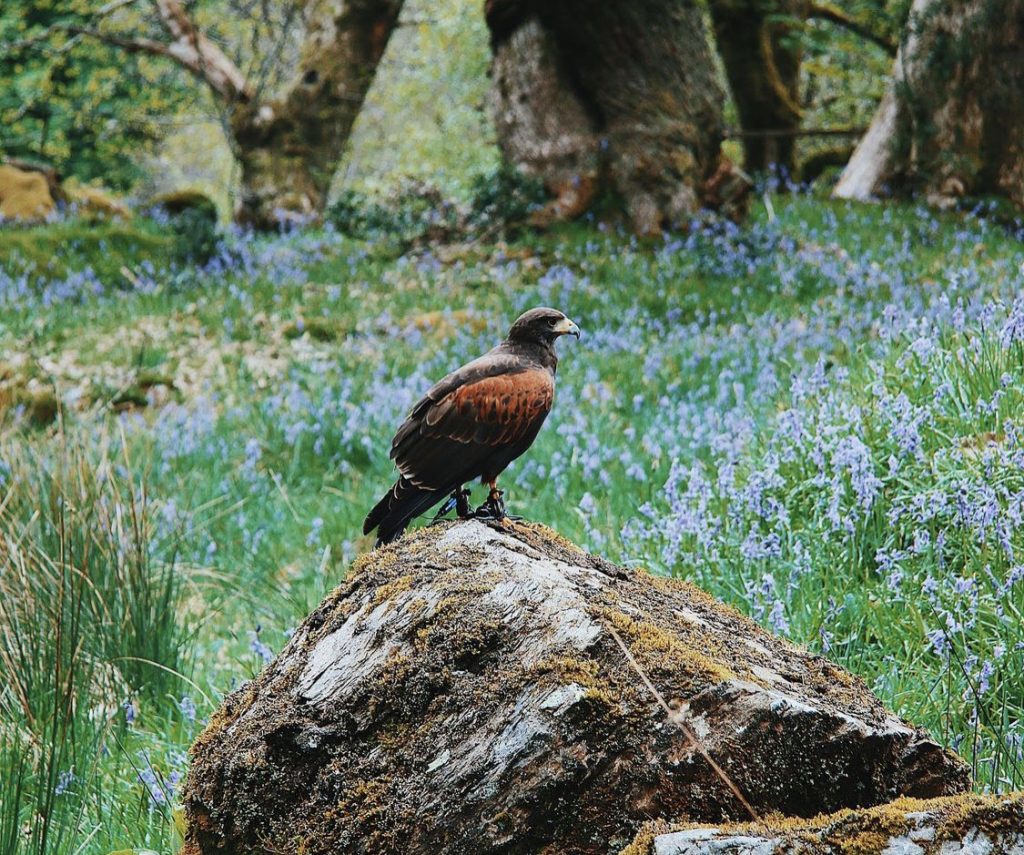
What Is Falconry Teaching the Falconer?
Beyond the experience of flying birds, what is falconry actually giving to the people who practice it?
Patience. Not the virtue-signalling kind where you tell yourself to be patient. The real thing. Training a raptor happens on the bird’s timeline, not yours. You can’t rush it. You can’t force it. The bird determines when it’s ready to progress. Learning to read those signals, to wait without frustration, to trust the process, this is patience as practiced skill.
Presence. Falconry demands total attunement to the natural world. The bird’s body language. The wind direction. The terrain. The subtle shift in energy that signals readiness or resistance. You can’t check your phone. You can’t half-listen while thinking about work or what chores you have to do for the rest of the day. The bird knows when you’re not present, and the partnership dissolves immediately.
Perseverance through failure. Raptors learn valuable lessons as they succeed and fail in the hunt. Often failures provide lessons just as important as successes. The falconer learns the same thing. Not every flight goes well. Not every day produces results. What is falconry teaching? That commitment to process matters more than individual outcomes.
Trust as earned, not assumed. The bird doesn’t owe you anything. It flies free. You earn trust through consistency, through reading the bird’s needs accurately, through proving yourself worthy of partnership.
Ego dissolution. The bird doesn’t care about your credentials or accomplishments. As we wrote here: “We as humans, as non-intuitive as we have become, can feel that tentative bond with our bird, can be broken in a flight, so we use all our presence to make our world, a world our birds want to remain within by trust not force and if we could only be like that more in our day to day lives with each other, we’d all be a lot happier.”
What is falconry offering modern practitioners? A counterbalance to the noise. A practice that can’t be optimized or hacked or rushed. A relationship with something that operates outside human constructs entirely.
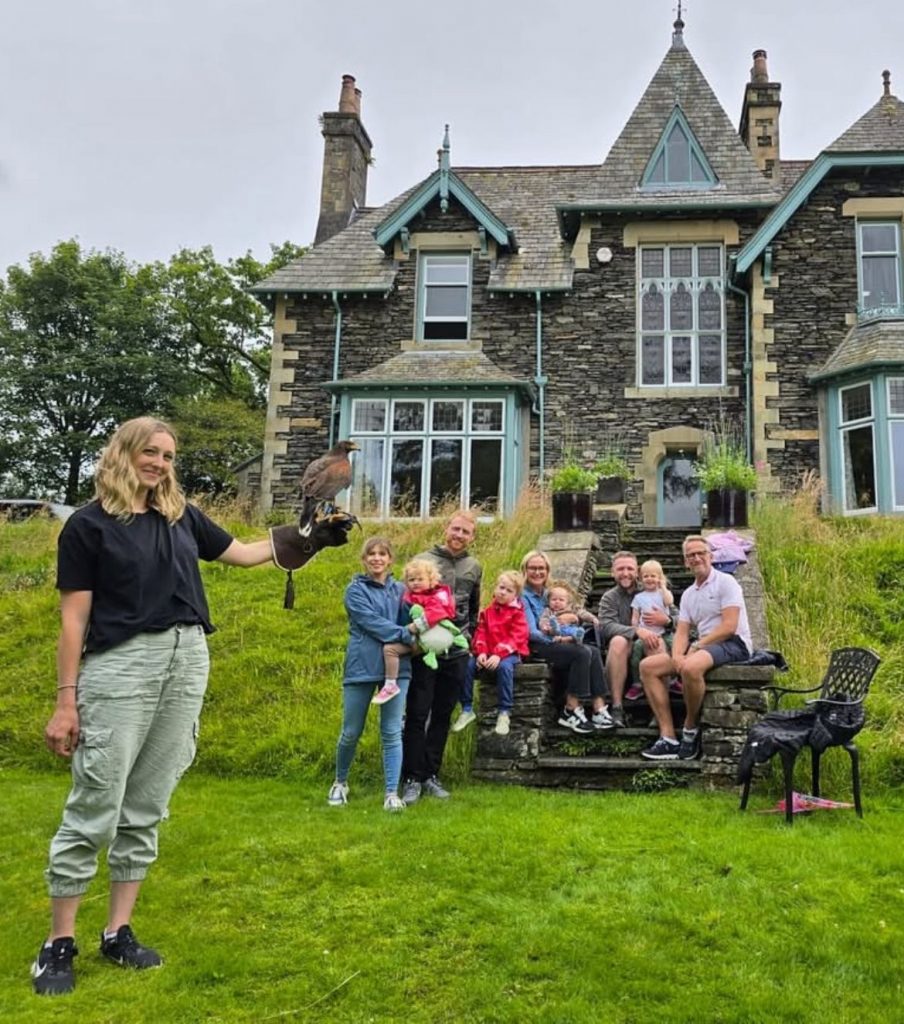
Experience It Yourself
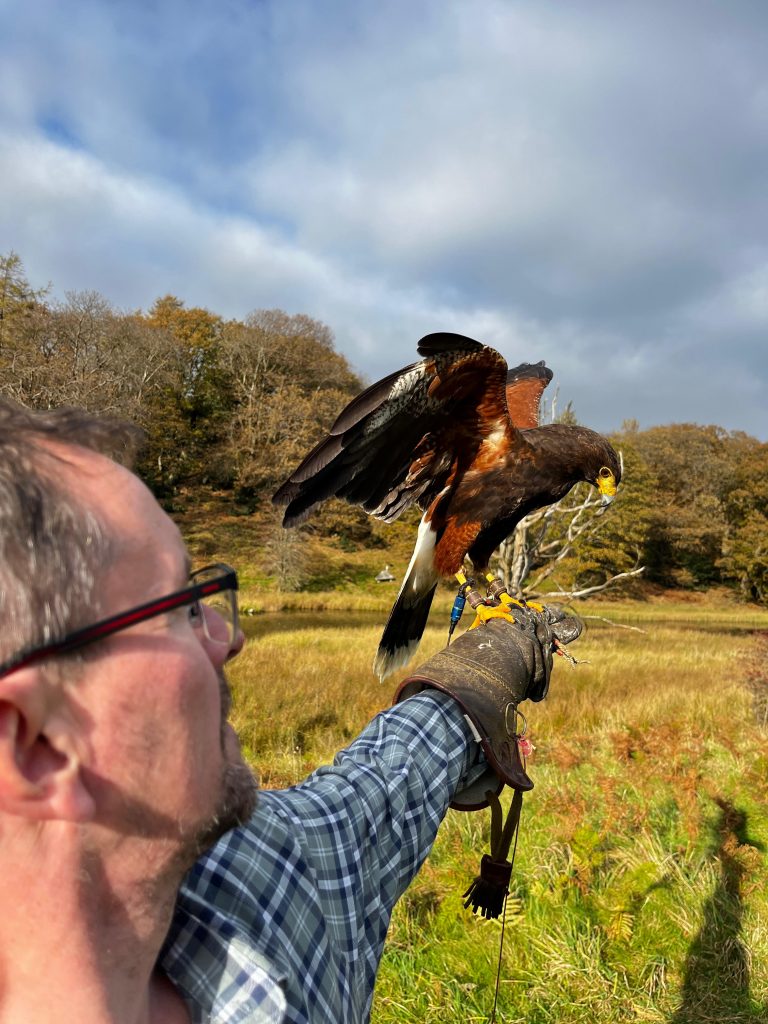
Understanding what is falconry intellectually is one thing. Feeling a Harris hawk land on your glove, grip tightening, eyes locked on yours, is something else entirely.
At Lake District Falconry, the experience isn’t about performance or photo opportunities (although you will get some great photos when you’re out with us!). It’s about genuine connection with a bird that’s choosing to participate.
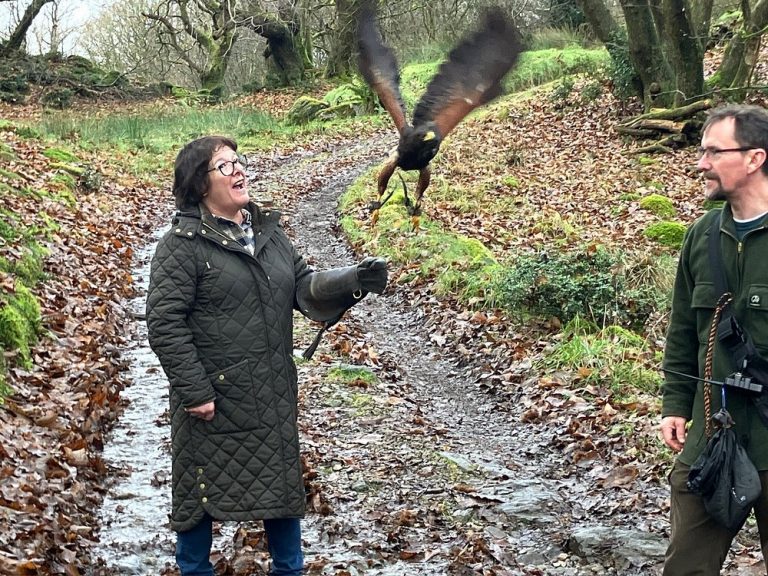
Walking through woodland with a raptor overhead. Feeling the shift in air pressure when it descends. Understanding, for just a moment, what it means to be chosen by something wild.
Book your falconry experience and discover what is falconry beyond the medieval fantasy. Beyond the Instagram aesthetic. Beyond what you think you already know and let yourself be taken on a wild experience like no other.
Because what is falconry, really? It’s something you have to feel for yourself.